Showing 16 results for "Resume"
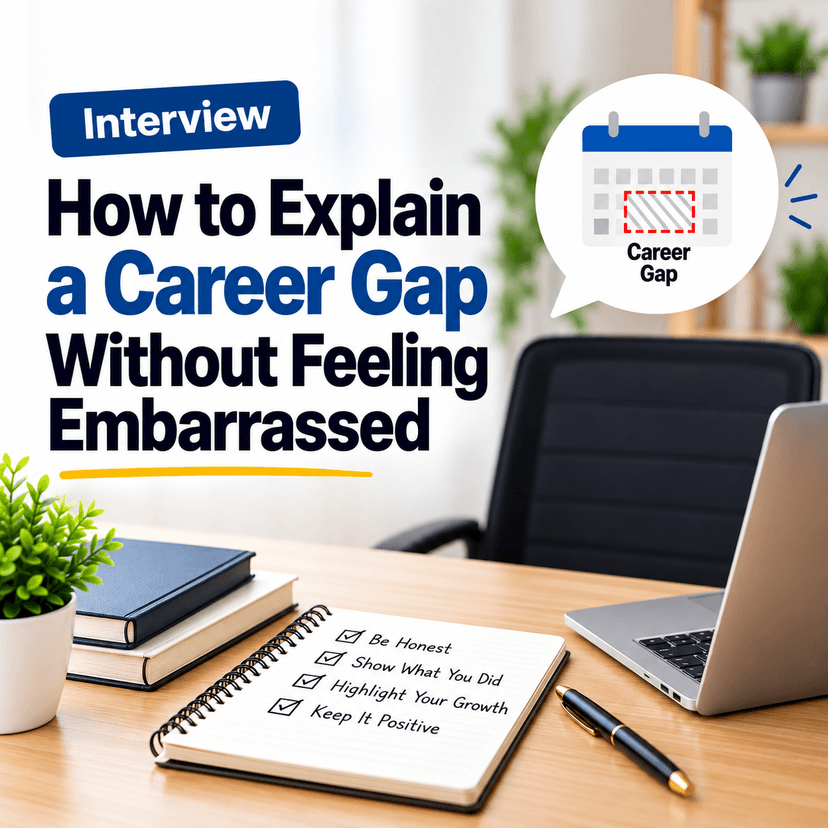
A career gap does not define your professional value—be honest, brief, and positive when explaining it. Highlight what you learned during the gap and show that you are prepared and ready to work. Avoid apologizing or oversharing, and focus the conversation on your skills, experience, and future goals.
 Job Baskets Team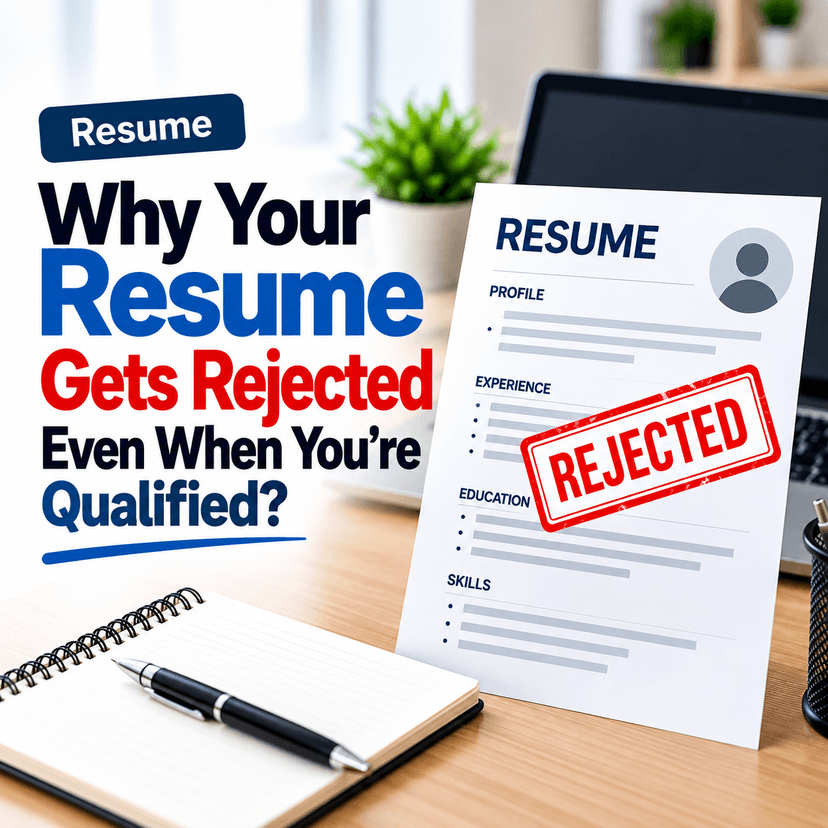
A qualified candidate can still get rejected if the resume doesn’t match the job, isn’t ATS-friendly, or lacks relevant keywords and achievements. Keep your resume clear, concise, error-free, and tailored to each job. Highlight your skills, experience, and measurable achievements so recruiters can quickly see your value.
Job Baskets Team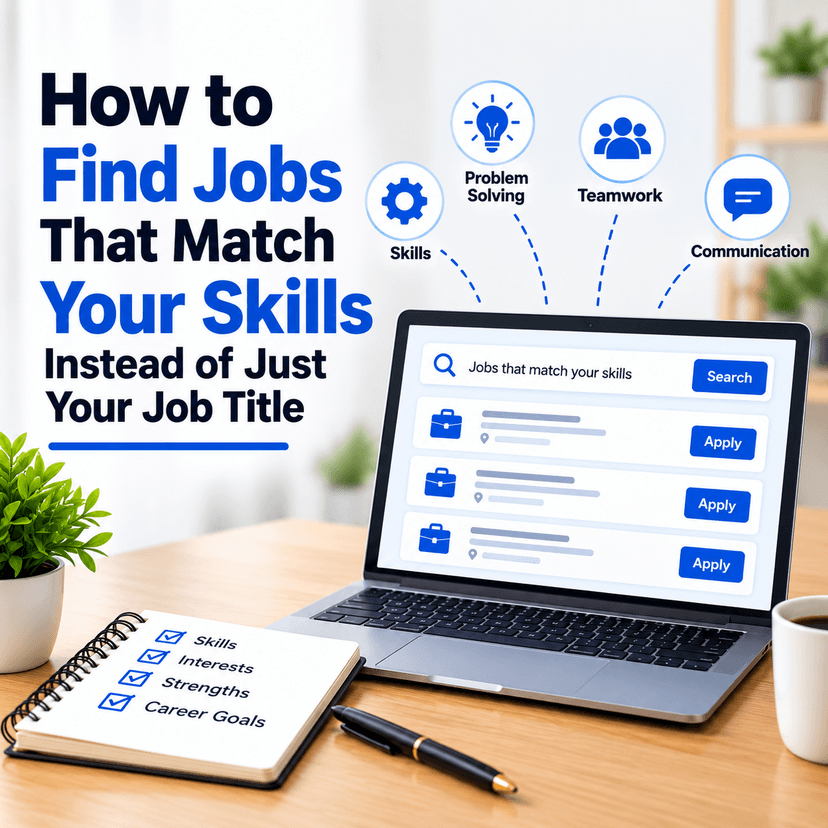
Don’t search only by your current job title—identify your skills and transferable abilities. Use skill-based keywords, explore related roles, and read job descriptions carefully. Customize your resume and upskill where needed to discover more career opportunities.
Job Baskets Team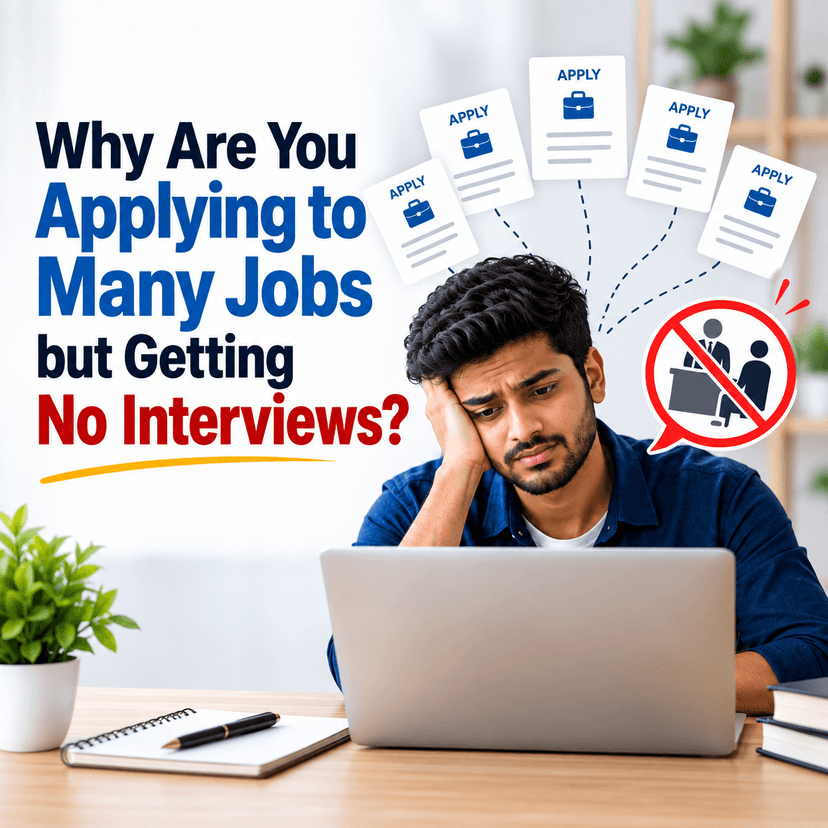
Many job applications but no interviews? Your resume, profile, or job targeting may need improvement. Customize your resume, target relevant jobs, and keep your profiles updated. Focus on quality applications, not quantity, to improve your interview chances.
Job Baskets Team
Which Skills Are Companies Hiring for Right Now? The job market is changing rapidly. Companies are no longer looking only for candidates with academic qualifications or years of experience. Employers increasingly value candidates who have relevant technical skills, practical experience, adaptability, communication abilities, and a willingness to learn. Whether you are a fresher looking for your first job or an experienced professional planning your next career move, developing the right skills can help you become more competitive in the job market.
Job Baskets Team
Your LinkedIn profile is your digital resume. A well-optimized profile can help recruiters find you faster and improve your chances of landing interviews.
Job Baskets Team
Confidence is not about knowing every answer—it's about being well-prepared, staying calm, and believing in your abilities.
Job Baskets Team
One of the most common questions in any job interview is: 'Tell me about yourself.' Learn how to answer it with confidence and make a strong first impression.
Job Baskets Team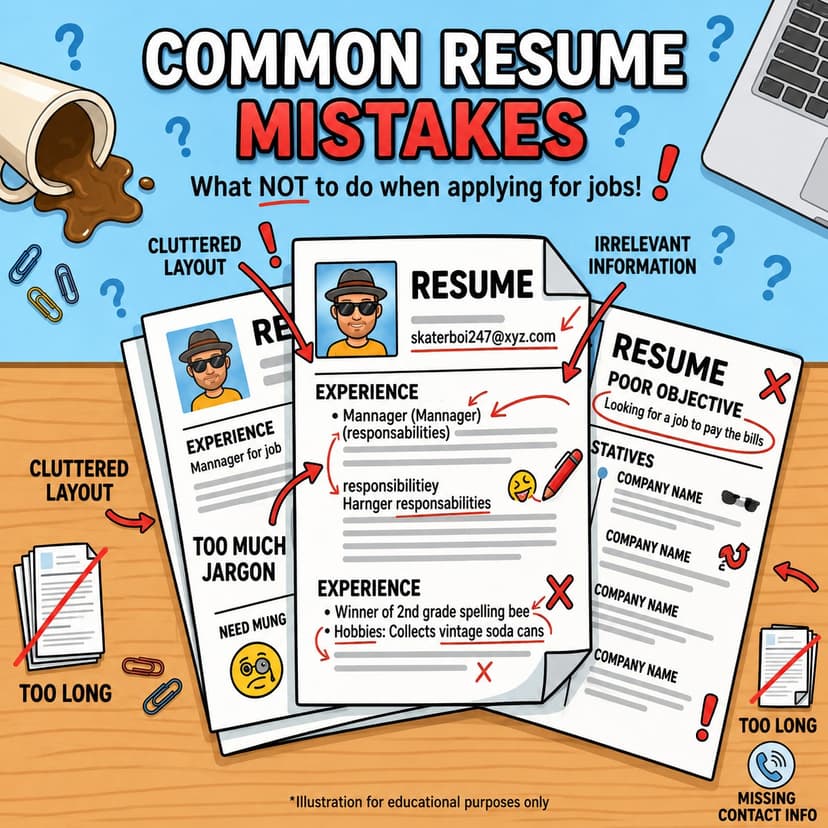
A resume is often your first impression on a potential employer. Even highly qualified candidates can miss interview opportunities because of avoidable resume mistakes.
Job Baskets Team
Success comes to those who prepare, apply consistently, and keep learning. Here are essential tips to streamline your job search.
Job Baskets Team
Getting rejected doesn't always mean you're not qualified. Often, it's small mistakes that prevent candidates from moving to the next stage.
Job Baskets Team
A successful interview is not just about answering questions - it's about showing confidence, preparation, and professionalism.
Job Baskets Team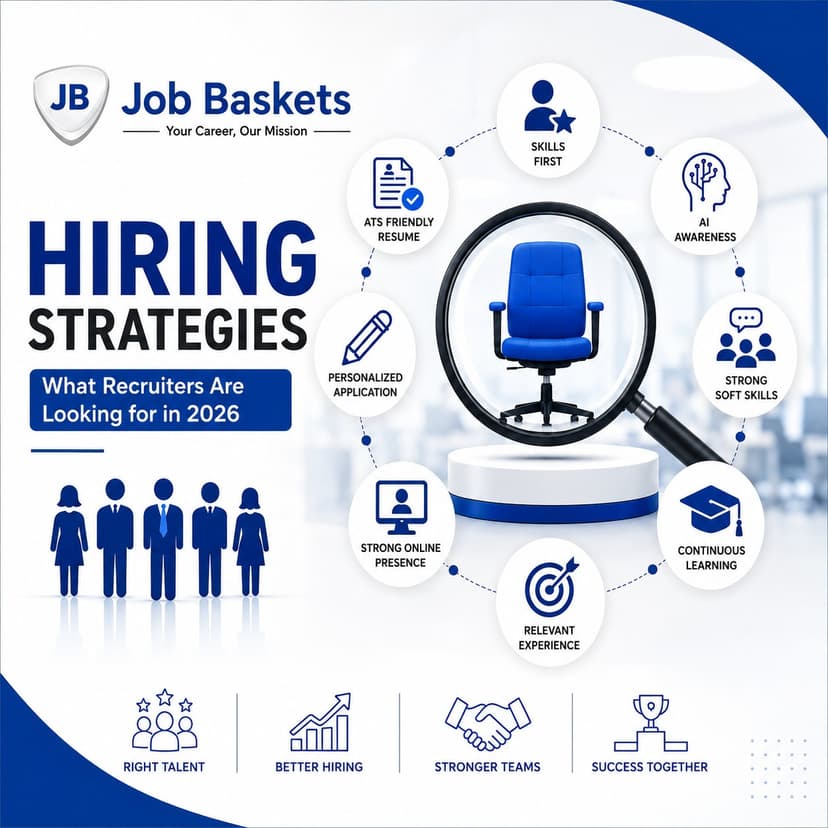
The job market is evolving rapidly, and so are hiring practices. In 2026, recruiters are looking for more than just qualifications—they want candidates who are adaptable, skilled, and ready to make an impact. Understanding what employer’s value can help you stand out and secure better career opportunities.
Job Baskets Team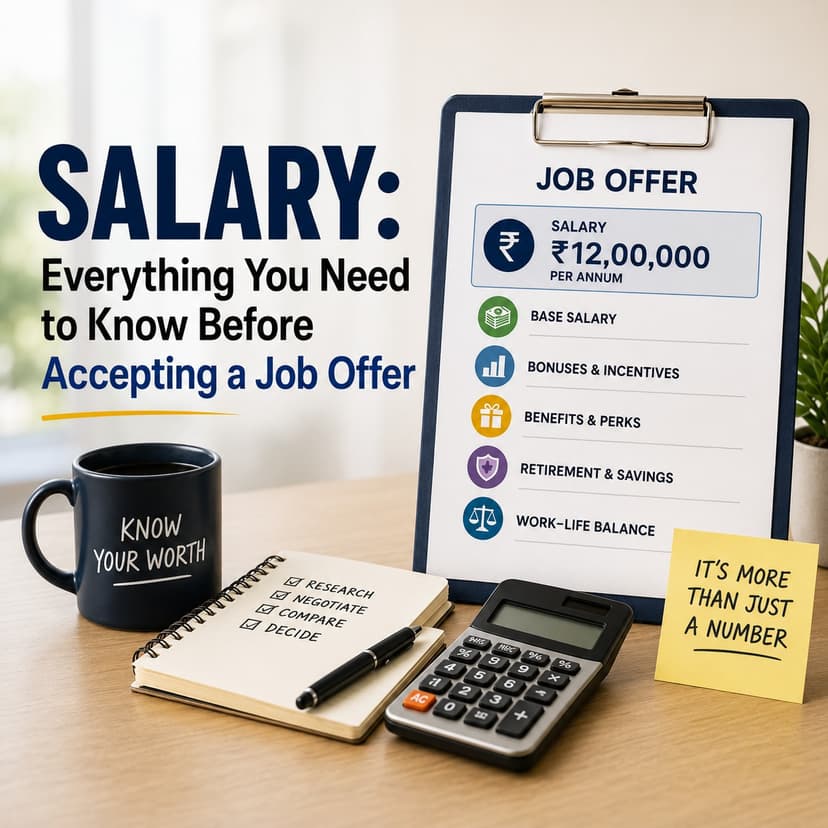
Salary Isn't Just a Number—It's the Value of Your Skills. Understanding how salaries work can help you make better career decisions.
Job Baskets Team
Job search success requires more than simply applying to vacancies. Keep your resume updated, customize applications, prepare well for interviews, improve your skills, and stay consistent throughout your job search.
Job Baskets Team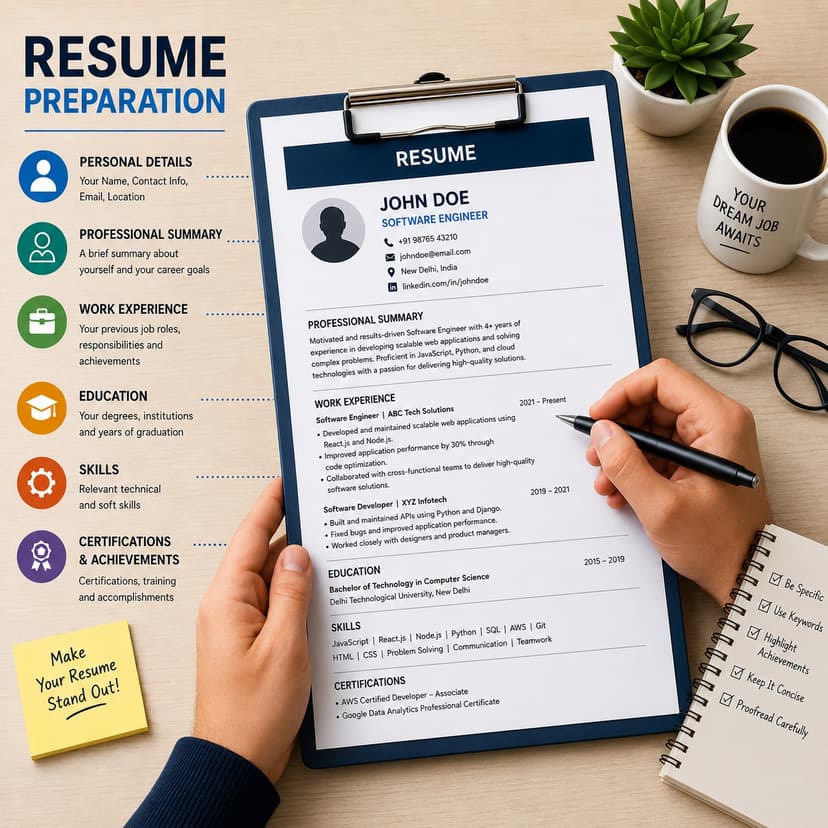
Your resume is more than a list of qualifications—it's your personal brand. A well-crafted, ATS-friendly resume can significantly improve your chances of getting shortlisted.
Job Baskets Team