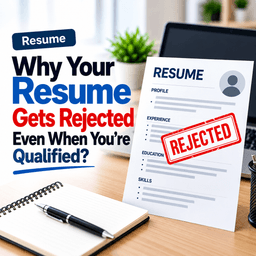


Getting rejected doesn't always mean you're not qualified. Often, it's small mistakes that prevent candidates from moving to the next stage. Here are some of the most common reasons.
1 Lack of Preparation
“Candidates who don't research the company or understand the job role often struggle to answer questions confidently. Thorough preparation shows dedication and helps you respond with clarity and purpose.”
2 Poor Communication Skills
“Clear and confident communication is essential. Speaking too little, too much, or giving unclear answers can create a negative impression. Practice structuring your thoughts before speaking.”
3 Weak Resume
“A resume with spelling errors, irrelevant information, or missing achievements can reduce your chances before the interview even begins. Keep it concise, tailored, and error-free.”
4 Arriving Late
“Being late without a valid reason shows poor time management and can affect the employer's confidence in your professionalism. Always plan to arrive 10-15 minutes early.”
5 Lack of Confidence
“Nervousness is natural, but avoiding eye contact, speaking hesitantly, or appearing unsure can make interviewers question your readiness. Practice and preparation are the best confidence builders.”
6 Inability to Explain Skills and Experience
“Many candidates list impressive skills on their resume but struggle to explain how they've applied them in real situations. Use the STAR method to share specific examples from your experience.”
7 Negative Attitude
“Speaking negatively about previous employers, colleagues, or experiences is a major red flag for recruiters. Always focus on what you learned and how you grew from past challenges.”
8 Poor Body Language
“A weak handshake, slouching, lack of eye contact, or constantly checking your phone can signal disinterest or low confidence. Maintain good posture, eye contact, and an open demeanor.”
9 Not Asking Questions
“When candidates don't ask thoughtful questions about the role or company, it may appear that they are not genuinely interested. Prepare insightful questions that show you've done your research.”
10 Skills Don't Match the Role
“Sometimes rejection isn't about performance - it simply means another candidate's skills and experience were a better fit for the position. Keep applying and focus on roles that align with your strengths.”
Final Thought
Every rejection is an opportunity to improve. Learn from each interview, strengthen your skills, and keep applying. The right opportunity will come with consistent preparation and persistence.
Content Prepared By: Job Baskets Team | Dated: July 1, 2026