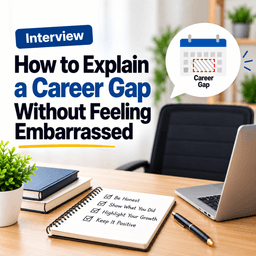
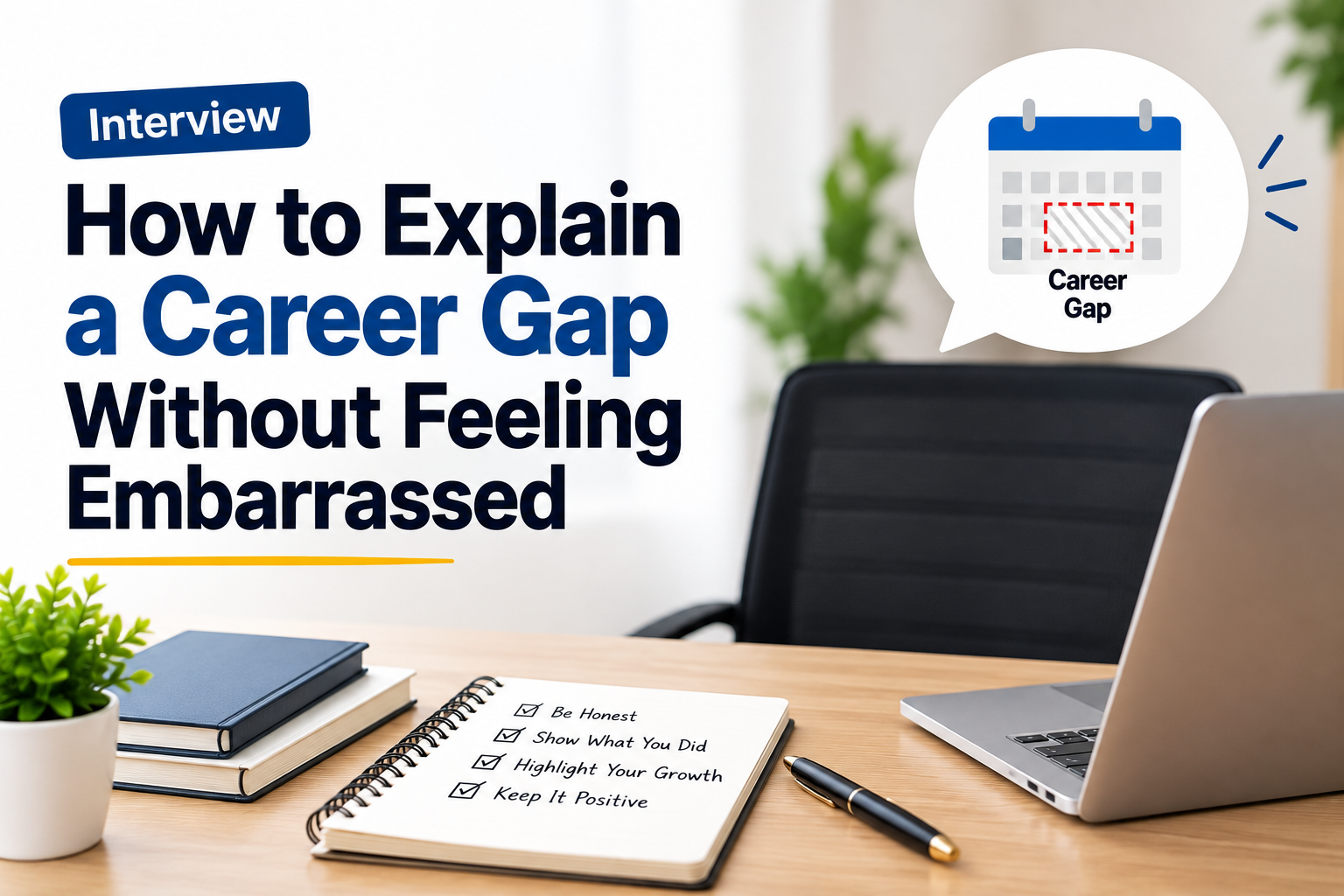

A career gap can happen for many reasons, including personal responsibilities, health concerns, further education, layoffs, relocation, or a decision to explore new opportunities. However, many job seekers feel nervous or embarrassed when interviewers ask about a gap in their employment history. The truth is that a career gap does not define your professional value. What matters most is how you explain it, what you learned during that period, and how prepared you are to move forward in your career.
1 Be Honest About Your Career Gap
“Honesty is the best approach when explaining a career gap. You do not need to create complicated excuses or provide misleading information. Give a brief, professional explanation of why you took the break. A clear and honest answer helps build trust with the interviewer and demonstrates maturity.”
2 Keep Your Explanation Simple and Positive
“You do not need to explain every personal detail behind your career break. Focus on the main reason and communicate it confidently. For example, you could say, 'I took a career break to manage personal responsibilities, and I am now ready to return to work and focus on my professional growth.' Keep your response concise and avoid unnecessary explanations.”
3 Explain What You Learned During the Gap
“If you used your time to learn new skills, complete online courses, earn certifications, work on personal projects, or explore a new career direction, mention these activities. Even if you did not take formal courses, you may have developed useful skills such as time management, adaptability, organization, or problem-solving. Highlight genuine learning experiences that are relevant to the role.”
4 Prepare for Common Interview Questions
“Interviewers may ask questions such as 'Why is there a gap in your resume?', 'What were you doing during this period?', or 'Why do you want to return to work now?' Prepare short, honest answers in advance. Practicing your responses can help you feel more comfortable and prevent nervousness during the interview.”
5 Show That You Are Ready to Return to Work
“Employers may want to understand whether you are prepared to take on the responsibilities of the role. Explain how you have prepared for your return, whether through refreshing your knowledge, updating your skills, researching industry trends, or practicing relevant tasks. Focus on your current abilities and enthusiasm for the opportunity.”
6 Avoid Apologizing for Your Career Break
“A career gap is not automatically a weakness, and you do not need to apologize for taking time away from work. Avoid speaking about your break as if it makes you less capable. Answer the question respectfully and confidently, then shift the conversation toward your qualifications, skills, and what you can contribute to the organization.”
7 Explain a Career Gap Due to Personal or Family Responsibilities
“If you took time off to care for family members or manage personal responsibilities, you can explain this without sharing private details. For example: 'I took a planned break to manage family responsibilities. Those responsibilities are now in a position that allows me to focus on my career, and I am excited to return to work.' Share only the information you feel comfortable discussing.”
8 Address a Career Gap Due to Health Reasons
“If your break was related to health, you are not required to disclose detailed medical information in a general interview conversation. You can keep the explanation brief and professional. For example: 'I took time away from work to focus on a personal health matter. I am now ready to pursue suitable opportunities and contribute professionally.' Only share details you are comfortable revealing.”
9 Update Your Resume and LinkedIn Profile
“Keep your resume and LinkedIn profile accurate and up to date. If you completed courses, certifications, freelance assignments, volunteer work, or independent projects during your career break, include relevant details. Do not invent experience to fill the gap. Present your actual qualifications clearly and focus on the skills that match your target position.”
10 Focus on Your Future Career Goals
“After explaining your career gap, bring the discussion back to the job you are applying for. Explain why the role interests you, how your skills match its requirements, and what you hope to contribute. Employers need to understand your suitability for the position, so demonstrate your motivation, preparation, and willingness to grow.”
Sample Answer: How to Explain a Career Gap
“I took a career break for personal reasons and used that time to reassess my goals and prepare for the next stage of my career. I am now ready to return to work and apply my skills and experience in a professional environment. I am particularly interested in this opportunity because it aligns with my abilities and long-term career goals.”
Common Mistakes to Avoid
- Giving dishonest or misleading explanations.
- Sharing more personal information than necessary.
- Speaking negatively about previous employers or circumstances.
- Showing embarrassment or treating the gap as a personal failure.
- Focusing entirely on the gap instead of your skills and qualifications.
- Inventing projects, employment history, or certifications to cover the break.
Final Thought
A career gap is only one part of your professional journey; it does not determine your ability, potential, or future success. Be honest about your circumstances, prepare a clear explanation, and focus on the value you can bring to your next role. You do not need to feel embarrassed about taking time away from work. With the right preparation and a positive attitude, you can discuss your career gap confidently and move forward toward your professional goals.
Content Prepared By: Job Baskets Team | Dated: October 5, 2026