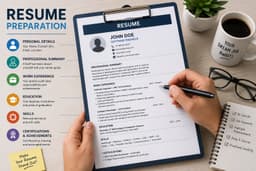


Your resume is your first impression on potential employers. Here's how to make it count.
1Tailor Your Resume for Each Application
Generic resumes rarely land interviews. Customize your resume for each job by highlighting relevant skills and experiences that match the job description.
2Use a Clean, Professional Format
Keep your layout simple and readable. Use consistent fonts, clear section headings, and plenty of white space to make your content easy to scan.
3Lead with a Strong Summary
Your professional summary should be a punchy, value-driven statement that captures who you are and what you bring to the table.
4Quantify Your Achievements
Instead of listing duties, use numbers to demonstrate your impact. "Increased sales by 30%" is far more compelling than "Responsible for sales."
5Optimize for ATS
Many companies use Applicant Tracking Systems. Include relevant keywords from the job description to ensure your resume gets past automated filters.
6Highlight Transferable Skills
If you're changing careers, emphasize skills that apply across industries, like leadership, communication, and problem-solving.
7Keep It Concise
For most professionals, one to two pages is ideal. Be ruthless about cutting irrelevant information.
8Include a Skills Section
List both hard and soft skills relevant to the role. This helps both ATS systems and human reviewers quickly assess your fit.
9Proofread Thoroughly
A single typo can cost you an interview. Read your resume aloud, use spell-check, and ask a friend to review it.
10Update Regularly
Keep your resume current even when you're not job hunting. You never know when the perfect opportunity might arise.
Follow these guidelines, and your resume will stand out for all the right reasons.